
Stay In Tuned To Your Vehicle – It Will Thank You
Preventative maintenance is one of the smartest ways to save time, money, and stress when it comes to vehicle ownership. A tune-up is a proactive service focused primarily on engine performance and efficiency, helping your vehicle run smoother, burn fuel more efficiently, and avoid costly repairs down the road.
While a tune-up doesn’t replace a full vehicle inspection or maintenance schedule, it plays a critical role in keeping your engine healthy, responsive, and reliable.
At Legacy Auto Clinic, tune-up recommendations are based on your vehicle’s age, mileage, driving habits, and manufacturer guidelines.
Key Components Addressed During a Tune-Up
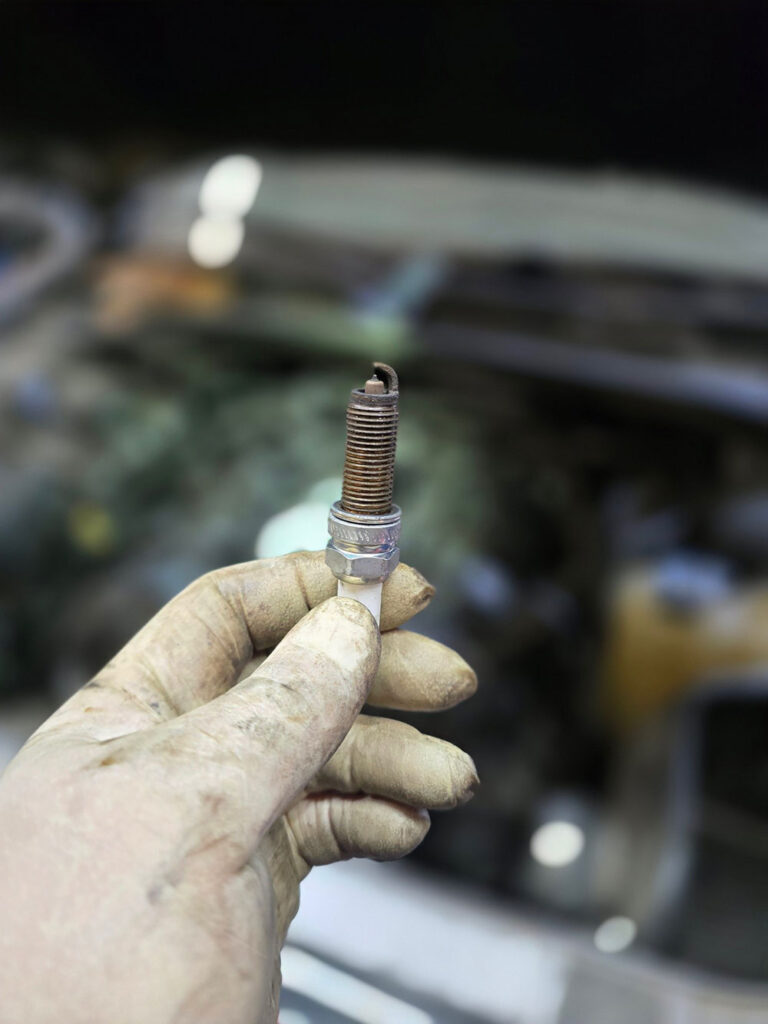
Spark Plugs
Spark plugs ignite the air-fuel mixture inside the engine, creating combustion that powers your vehicle. As plugs wear, combustion becomes inconsistent, leading to reduced power and efficiency.
- Typical lifespan ranges from 30,000 to 100,000 miles, depending on plug type and engine design
- Worn plugs can cause misfires, poor acceleration, and rough idle
Engine Air Filter
The engine air filter cleans incoming air before it mixes with fuel for combustion.
- Dirty filters restrict airflow and reduce performance
- Replacement intervals vary based on driving environment
- Vehicles driven on dirt roads or in dusty conditions may need more frequent replacement
Additional Tune-Up Components (When Applicable)
Depending on your vehicle, a tune-up may also include inspection or service of:
- Ignition coils or ignition wires
- Fuel system components
- Throttle body cleaning
- PCV valve inspection
- Software or engine management checks (on modern vehicles)
What Does a Tune-Up Do In Overall Terminology?
A proper tune-up helps to:
- Restore lost power and throttle response
- Improve fuel economy
- Reduce harmful emissions
- Prevent engine misfires and drivability issues
- Extend the life of engine components
How Often Should a Tune-Up Be Done?
Modern vehicles don’t require tune-ups as frequently as older models, but they’re still essential. Service intervals vary based on engine design and component type, typically ranging from 30,000 to 100,000 miles.
Your owner’s manual provides the best guidance, and our technicians will always verify what your specific vehicle needs.
Why Tune-Ups Matter
Neglecting worn ignition or airflow components can lead to:
- Increased fuel consumption
- Emissions system damage
- Catalytic converter failure
- Costly and preventable engine repairs
Tune-ups are one of the most effective ways to prevent expensive, irreversible engine damage while keeping your vehicle dependable.
Signs Your Vehicle May Be Due for a Tune-Up
Your vehicle often gives warning signs — you just have to “tune in” & listen.
- Poor acceleration or reduced fuel efficiency
- Rough idling or engine shaking
- Engine misfires or hesitation
- Check Engine Light illuminated
- Hard starting or extended cranking
- Knocking, ticking, or unusual engine noises
A “crank but no start” condition can also indicate ignition or fuel delivery issues that a tune-up may address.
The Legacy Auto Clinic Approach
At Legacy Auto Clinic, we believe education is just as important as service. We take the time to explain what your vehicle needs, why it needs it, and how it helps you avoid future issues.
Our recommendations are honest, manufacturer-based, and tailored to your vehicle — no unnecessary upsells, ever.
Schedule Your Tune-Up Today
A properly tuned engine runs cleaner, stronger, and more efficiently. Don’t wait for drivability issues to turn into major repairs.
Schedule your tune-up service and keep your vehicle running at its best — mile after mile.
Call 720-598-5077 or Schedule your visit online with Legacy Auto Clinic today.