
Antifreeze and Cooling System Services
Keeping Your Engine Protected in Colorado’s Extreme Temperatures
Your vehicle’s antifreeze and cooling system work together to control engine temperature, prevent overheating, and protect vital components from damage caused by extreme heat or freezing cold. In our Colorado climate, where temperatures can swing dramatically, a properly maintained cooling system isn’t optional—it’s essential.
Before diving into maintenance, let’s start with the basics.

What Is Antifreeze (Coolant)?
Antifreeze—also known as coolant—is a specialized fluid that circulates through your engine and cooling system to manage temperature and protect internal components.
It plays several critical roles:
- Prevents freezing during cold weather conditions
- Raises the boiling point to protect against overheating in hot temperatures
- Guards against corrosion, rust, and scale buildup inside the engine and cooling system
Common Types of Antifreeze
Different vehicles require different coolant formulations. Using the wrong type can cause serious damage.
Inorganic Additive Technology (IAT)
Typically green in color and commonly used in older vehicles.
Organic Acid Technology (OAT)
Often orange or red; designed for modern vehicles with longer service intervals.
Hybrid Organic Acid Technology (HOAT)
Combines properties of IAT and OAT; frequently found in European and Asian vehicles.
Always follow your vehicle manufacturer’s specifications when selecting coolant to avoid compatibility issues or system failure.
Key Components of the Cooling System
Each part of the cooling system works together to regulate engine temperature:
- Coolant Reservoir: Holds excess coolant and allows for expansion
- Radiator: Releases heat from the coolant into the air
- Cooling Fans: Pull air through the radiator when airflow is limited
- Hoses: Carry coolant between the engine, radiator, and components
- Thermostat: Controls coolant flow based on engine temperature
- Water Pump: Keeps coolant circulating throughout the system
How the Cooling System Regulates Temperature
- The water pump circulates coolant through the engine to absorb heat
- Heated coolant flows into the radiator, where heat is released
- The thermostat opens and closes to maintain ideal operating temperature (typically 195–220°F)
- Cooled fluid returns to the engine and the process repeats
Warning Signs of Cooling System Problems
Be alert to these symptoms, which often indicate cooling system trouble:
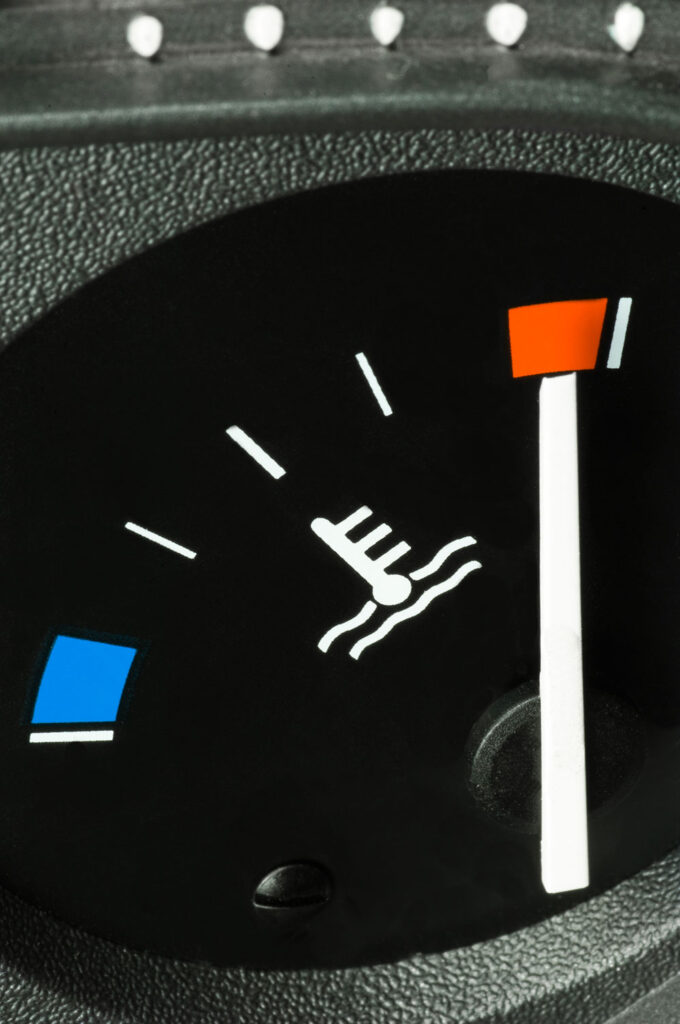
- Engine temperature running hot
- Visible coolant leaks under the vehicle (green, yellow, pink, or orange)
- Low coolant levels
- Steam or vapor coming from under the hood
- A sweet or syrup-like smell inside or around the vehicle
Common Cooling System Failures
- Thermostat malfunctions that disrupt temperature regulation
- Radiator blockages caused by corrosion or debris
- Water pump failure, reducing coolant circulation
- Contaminated coolant, often from oil or debris intrusion
Why Cooling System Maintenance Matters
Proper cooling system service helps:
- Prevent engine overheating and catastrophic damage
- Protect your vehicle during freezing winter temperatures
- Maintain fuel efficiency and overall performance
- Extend the lifespan of cooling system components
Trust Legacy Auto Clinic with Your Cooling System
Routine cooling system inspections and antifreeze service are key to reliable performance year-round. At Legacy Auto Clinic, we help you stay ahead of problems before they turn into breakdowns—so your vehicle is ready for everything Colorado roads and weather can throw at it.
Protect your engine. Protect your investment. Drive with confidence—only at Legacy Auto Clinic.
Call 720-598-5077 or Schedule your visit online with Legacy Auto Clinic today.